
Professional Septic Tank Pumping Services
Expert septic tank pumping for residential and commercial properties in Snohomish and King County
Why Regular Septic Tank Pumping Is Essential
Regular septic tank pumping is a critical maintenance task for homeowners who rely on septic systems for wastewater management. In areas like Snohomish, Everett, Lake Stevens, and other communities in Snohomish County, where over 78,000 homes depend on septic systems, proper care ensures system longevity, prevents costly repairs, and protects the environment.
At A1 Septic Today, we provide professional septic tank pumping services using state-of-the-art vacuum trucks and equipment. Our certified technicians thoroughly pump and clean your septic tank, removing all solids, scum layers, and accumulated sludge to restore your system to optimal performance while meeting local health regulations.
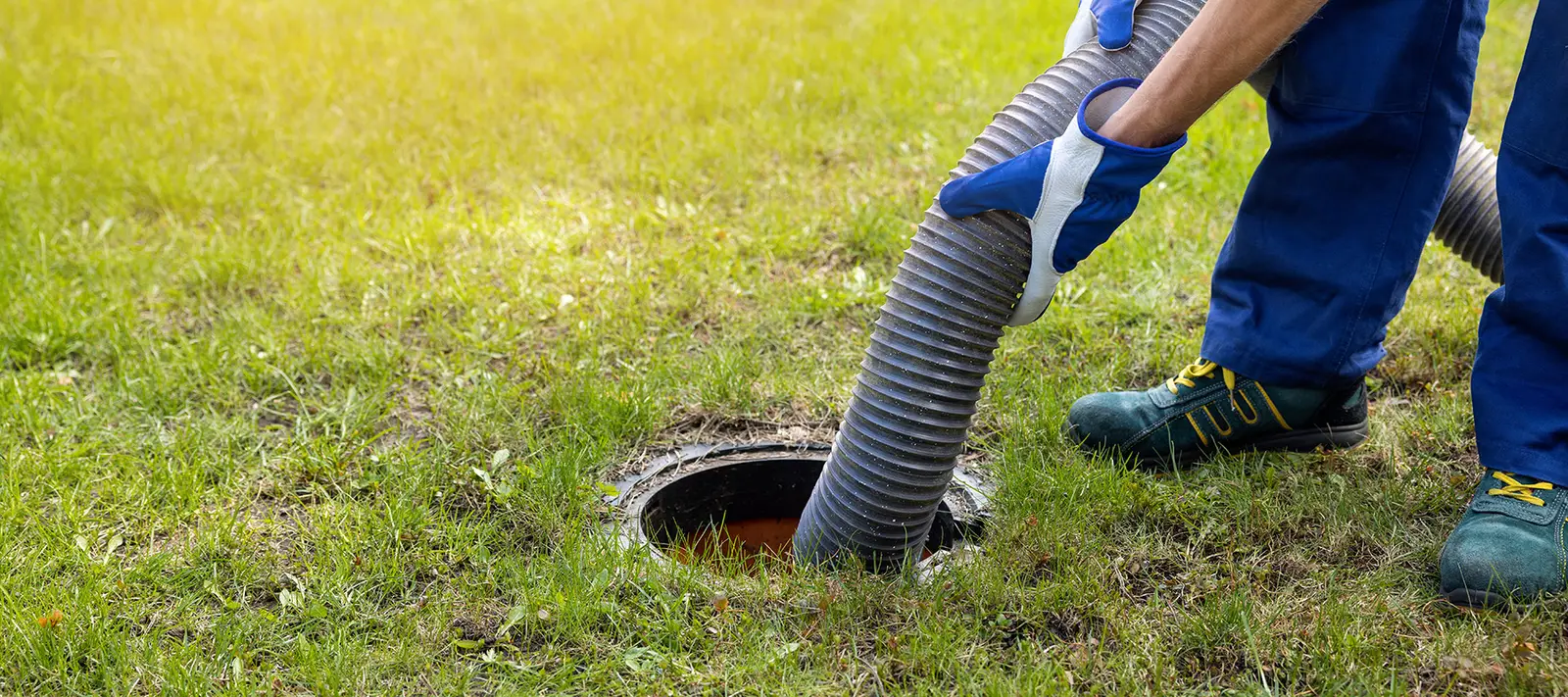
Understanding Septic Systems
A septic system, also known as an on-site sewage system (OSS), is an underground wastewater treatment solution for homes not connected to municipal sewer lines. It consists of two main components:
Septic Tank
A watertight container that collects wastewater from your home. Solids settle to the bottom as sludge, while oils and grease float to the top as scum. The liquid effluent flows out to the drain field.
Drain Field
A network of perforated pipes in gravel-filled trenches where effluent is further treated and dispersed into the soil.
Septic systems are prevalent in rural and suburban areas, such as Snohomish, Monroe, and Arlington, where public sewer access is limited. Proper maintenance is essential to ensure these systems function effectively for decades.
Fast Service
Same day or next day appointments available
Licensed & Insured
Fully certified septic professionals
30+ Years
Trusted expertise in septic services
Why Septic Tank Pumping Matters
In regions like Snohomish County, where many homes in areas like Snohomish, Monroe, and Lake Stevens rely on septic systems, regular pumping is crucial. Over time, sludge and scum accumulate in the septic tank, reducing its capacity. If not pumped regularly, this buildup can lead to:
- Backups: Sewage may back up into your home's plumbing, causing unpleasant and costly repairs
- System Failure: Excess solids can clog the drain field, leading to system failure and expensive replacements
- Environmental Harm: Failing systems can contaminate groundwater and local waterways, such as the Snohomish River or Lake Roesiger, posing health risks to the community
Regular pumping removes these solids, ensuring your system operates efficiently and complies with regulations set by the Snohomish County Health Department.
Our Septic Tank Pumping Process
Locate the Tank
We use advanced tools to find your tank, minimizing disruption to your yard. Our specialized equipment pinpoints the tank's location without extensive digging, preserving your landscaping.
Pump the Tank
We remove sludge and scum using specialized equipment, ensuring minimal impact on your landscaping. Our powerful vacuum trucks thoroughly pump all solids, liquids, and scum for complete removal.
Inspect the System
We check for signs of damage, such as cracks, leaks, or faulty components like baffles or filters. Our thorough inspection helps identify potential issues before they become major problems.
Provide a Report
You receive a detailed report on your system's condition and recommendations for ongoing maintenance. We also offer inspections, repairs, riser installations, and maintenance guidance to keep your system in optimal condition.
How Often Should You Pump Your Septic Tank?
The frequency of septic tank pumping depends on several factors. Understanding these variables helps ensure proper maintenance and system longevity:
| Factor | Impact on Pumping Frequency |
|---|---|
| Tank Size | Larger tanks may need less frequent pumping. Common sizes range from 1,000 to 1,500 gallons for a typical 4-bedroom home |
| Household Size | More occupants generate more wastewater, requiring more frequent pumping |
| Water Usage | High usage from frequent laundry or long showers accelerates sludge buildup |
| System Type | Complex systems with pumps or filters may need more frequent maintenance checks |
General Guideline: Most residential septic tanks should be pumped every 3-5 years. Our technicians can assess your specific situation and recommend the optimal pumping schedule to keep your septic system functioning properly and prevent costly emergencies.
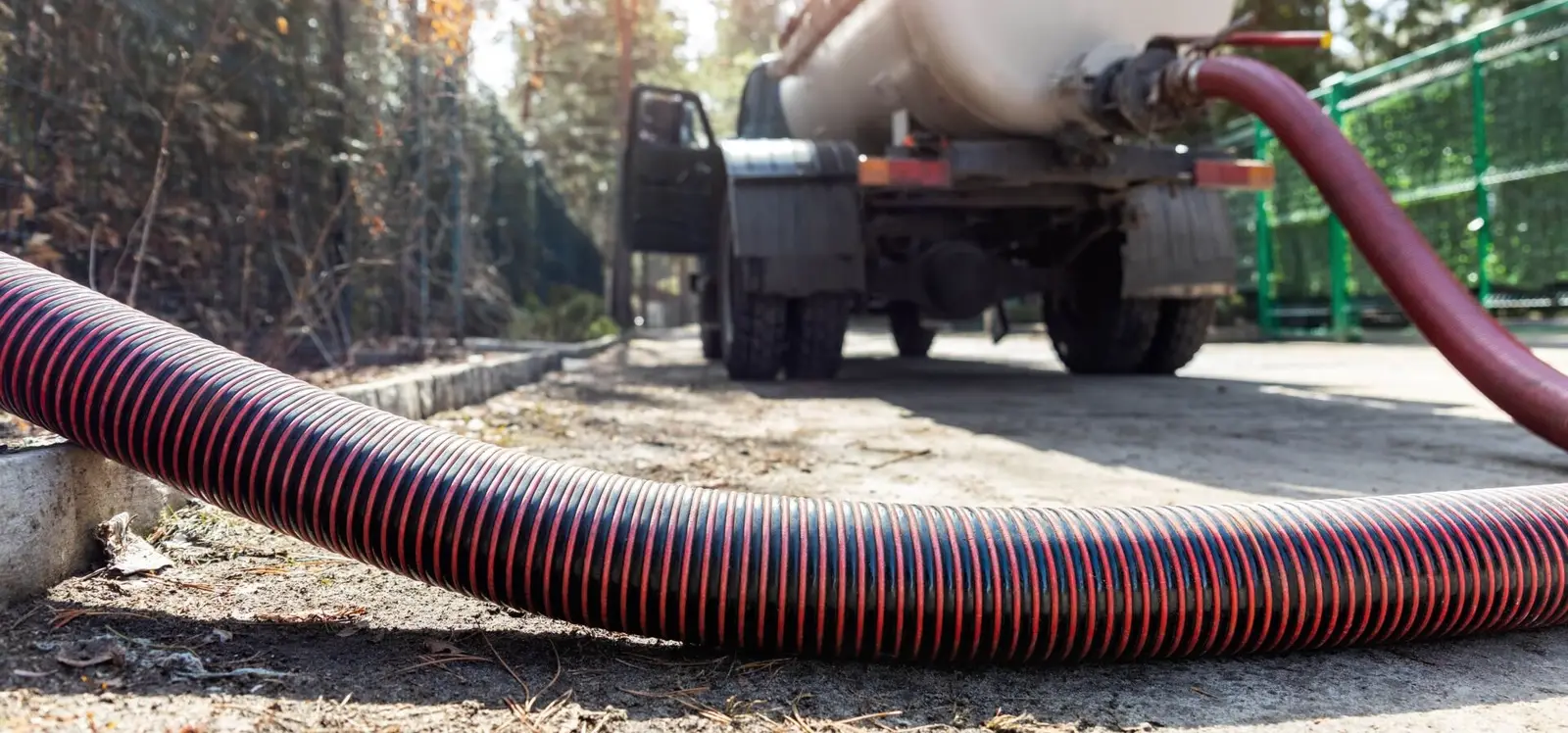
Signs Your Septic Tank Needs Pumping
Be proactive by watching for these warning signs that your septic tank may need pumping:
- Slow Drains or Toilets: Sluggish drainage throughout the house can indicate a full tank
- Gurgling Sounds: Unusual noises in your plumbing may signal a blockage
- Foul Odors: Unpleasant smells near the tank or drain field suggest buildup or failure
- Pooling Water: Wet spots or standing water over the drain field indicate overflow
- Lush Grass: Unusually green or lush grass over the drain field may signal effluent leakage
- Sewage Backup: Sewage backing up into your home is a critical sign requiring immediate action
Important: If you notice any of these issues, contact A1 Septic Today for prompt service to prevent further damage.
Local Regulations and Resources
Proper maintenance of septic systems is required by local regulations to protect public health and the environment. In Snohomish County, the Health Department oversees septic system compliance, ensuring systems are designed, installed, and maintained correctly.
Homeowners can access valuable resources through the Savvy Septic Program, including:
These resources are particularly helpful for residents in areas like Snohomish, Everett, and Monroe, where septic systems are common. Homeowners can also access septic system records through the OnlineRME database to verify system details and maintenance history.
Tips for Maintaining Your Septic System
To keep your septic system in top condition between pumping services, follow these best practices:
Flush Only Waste and Toilet Paper
Avoid flushing wipes, feminine hygiene products, diapers, or other non-degradable items, as they can clog the system
Avoid Harmful Substances
Do not pour grease, oil, chemicals, or harsh cleaners down the drain, as they can disrupt beneficial bacteria
Conserve Water
Fix leaks promptly, use water-efficient appliances, and spread out water-heavy tasks like laundry
Protect the Drain Field
Avoid parking or driving over the drain field, as this compacts the soil and reduces its effectiveness
Keep Vegetation Clear
Prevent trees and shrubs from growing near the tank or drain field to avoid root intrusion
Remember: These steps can reduce the frequency of pumping and extend your system's lifespan, saving you money and protecting the environment.
Why Choose A1 Septic Today?
A1 Septic Today is your trusted partner for septic tank pumping and maintenance in the Snohomish area. Our experienced, certified team is dedicated to providing reliable, affordable services with minimal disruption to your property.
We provide expert septic tank pumping services throughout the region including Snohomish, Everett, Lake Stevens, Bothell, Edmonds, Lynnwood, Marysville, Mill Creek, Monroe, Mukilteo, Arlington, Stanwood, Woodinville, and surrounding areas.
With over 30 years of experience, state-of-the-art equipment, and a commitment to customer satisfaction, we tailor our services to meet your needs and ensure compliance with local regulations.
Get a fast answer
Serving Snohomish County and surrounding areas. A short note is plenty — “tank needs pumping” works.